


Epoxy resin is a high-performance polymer. It is strong, adhesive, and resistant to chemicals and the environment. These traits allow epoxy resin to be used in many industries. They include construction, automotive, aerospace, and electronics. This article will explore epoxy resin’s structure, properties, and uses. We’ll cover its products and processes, too. You’ll gain a deep understanding of this versatile material.
Understanding Epoxy: A Closer Look
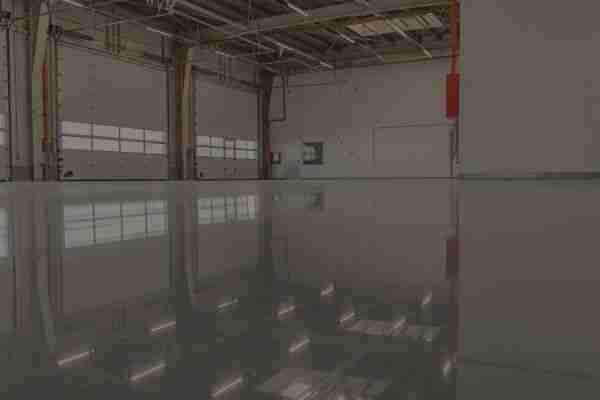
Epoxy, or polyepoxide, is a class of reactive prepolymers and polymers. They have epoxide groups. These materials exhibit outstanding adhesiveness, durability, and resistance to chemicals and environmental factors. Epoxy is made by reacting epoxides with hardeners. This starts a curing process. It forms a thermosetting polymer with a 3D network structure. Its unique structure gives epoxy many useful properties. So, it is a top choice for many applications.
The Evolution of Epoxy: A Historical Perspective
Epoxy’s development began in the early 20th century. Several chemists contributed to its evolution over the decades. The earliest known research dates to 1909. Russian chemist Prileschajew found that olefins could react with perbenzoic acid. This would form epoxides. This work laid the groundwork for future advancements. In 1936, Dr. Pierre Castan of Switzerland and Dr. S.O. Greenlee of the USA independently synthesized the first modern epoxy. Their work uncovered the chemical principles behind today’s epoxies.
Chemical Composition and Manufacturing Process
The chemical formula for a typical epichlorohydrin-based epoxy is C21H25ClO5. The process involves reacting epichlorohydrin (ECH) with bisphenol A (BPA). A sodium hydroxide solution, which acts as a catalyst, is used. The reaction is done at high temperatures, 50°C to 150°C, to ensure complete polymerization. After the reaction, the mixture separates into two phases. Then, wash and distill it to remove any unreacted components and impurities. Finally, a curing agent is added. It turns the epoxy resin into a solid, rigid, castable material. The curing agent and conditions can greatly affect the epoxy resin’s properties.
Key Properties of Epoxy Resin
Epoxy resins have a unique range of properties. This makes them suitable for many uses. Some of the key properties include:
- High mechanical strength: Epoxy resins have high tensile strength, over 80 MPa. Their compressive strength can reach 200 MPa. This makes them ideal for structural applications and load-bearing components.
- Superior adhesiveness: Epoxy resins have exceptional adhesive strength. They can bond well with many substrates, including metals, plastics, glass, and ceramics. Epoxy adhesives can reach shear strengths of 30 MPa. They bond reliably and durably.
- Chemical resistance: Epoxy resins resist many chemicals, including acids, alkalis, solvents, and oils. These properties suit them for harsh industrial and chemical storage uses.
- Low shrinkage: Epoxy resins shrink by less than 2% when curing. This stability is key for applications with tight tolerances and low distortion.
- Electrical insulation: Epoxy resins are known for their outstanding electrical insulation properties. Their dielectric strength is high, often over 20 kV/mm. So, they suit electrical and electronic uses.
- Thermal stability: Epoxy resins can withstand elevated temperatures without significant degradation. Some formulations can work at up to 200°C, so they are suitable for high-temperature applications.
- UV resistance: Some epoxies have UV stabilizers. They can resist long sun exposure without yellowing or degrading. This property is particularly valuable for outdoor applications and coatings.
Diverse Applications of Epoxy Resin
Epoxy resins are very versatile. This has made them popular in many industries. Some of the most common applications include:
- Coatings and paints: Epoxy-based ones protect surfaces from corrosion, abrasion, and chemicals. They are commonly applied to metal structures, tanks, pipes, and industrial equipment. In 2020, the global epoxy coating market was worth $28.4 billion. It is expected to grow at a 5.2% CAGR from 2021 to 2028.
- Adhesives: Epoxy adhesives are known for their strong bonds. They are used in the automotive, aerospace, construction, and electronics industries. They resist shear, impact, and vibration. So, they suit demanding uses. The global epoxy adhesive market was worth USD 7.5 billion in 2020. It is projected to reach USD 10.9 billion by 2028, growing at a CAGR of 4.8%.
- Composite materials, like carbon fiber and fiberglass, use epoxy resins as the matrix. These materials are widely used in aerospace, automotive, and sports equipment. They have a high strength-to-weight ratio and are durable. The global epoxy composite market was worth USD 30.2 billion in 2020. It is expected to grow at a CAGR of 7.5% from 2021 to 2028.
- Electronics encapsulation: Epoxy resins encapsulate electronic components. They insulate, protect from the environment, and improve heat dissipation. They are commonly used in PCBs, semiconductor packaging, and electronic potting. The global electronic encapsulation market was worth USD 4.1 billion in 2020. It is expected to grow at a CAGR of 6.3% from 2021 to 2028.
- The construction industry uses epoxy resins for flooring, coating, and repair. Epoxy floor coatings are very durable and easy to maintain. They resist chemicals and suit industrial, commercial, and residential use. The global epoxy flooring market was worth USD 3.1 billion in 2020. It is projected to reach USD 4.7 billion by 2028, growing at a CAGR of 5.4%.
Types of Epoxy Resins
Epoxy resins can be categorized based on their chemical structure and specific applications. Some of the most common types include:
- BPA epoxy resins: These are the most widely used epoxies. They come from reacting bisphenol A with epichlorohydrin. They have high strength, stickiness, and chemical resistance. So, they suit many uses.
- BPF epoxy resins are like BPA resins. But they have a lower viscosity and better thermal stability. They are commonly used in high-temperature applications and as low-viscosity adhesives.
- Novolac epoxy resins are made by reacting phenol or cresol novolac with epichlorohydrin. They offer superior thermal stability, chemical resistance, and mechanical strength compared to BPA resins. Novolac epoxy resins are often used in high-performance coatings, electronics, and composite applications.
- Cycloaliphatic epoxy resins have an aliphatic ring structure. They have excellent UV stability, low viscosity, and good electrical insulation. They are often used outdoors, in electrical encapsulation, and as a base for UV-stable coatings.
- Glycidylamine epoxy resins: They are made by reacting amines with epichlorohydrin. They offer good adhesion to various substrates, low viscosity, and fast-curing properties. Glycidylamine epoxy resins are often used in adhesives, coatings, and as reactive diluents.
Benefits of Epoxy Resin
The use of epoxy resins offers numerous benefits across various applications:
- Durability and long-term performance: Epoxy resins are very durable. They perform well, even in harsh environments. They can withstand chemicals, moisture, and extreme temperatures. This ensures the longevity of the products and structures in which they are used.
- Versatile adhesion: Epoxy resins can bond to metals, plastics, glass, wood, and ceramics. Their versatility makes them suitable for many uses. These range from structural bonding to electronics encapsulation.
- Improved mechanical properties: Epoxy resins can greatly boost the strength of combined materials. They have high tensile and compressive strength, as well as impact resistance. This enables strong, reliable structures and components.
- Corrosion protection: Epoxy coatings and paints provide excellent corrosion protection for metal surfaces. They block moisture, oxygen, and corrosive agents. This extends the life of the protected structures and lowers maintenance costs.
- Improved electrical insulation: Epoxy resins are great insulators. They are ideal for electronic applications. They have high dielectric strength, a low dielectric constant, and good arc resistance. This ensures reliable performance and protection of electronic components.
- Reduced weight: In composites, epoxy resins create strong, lightweight materials. This weight reduction is vital in the aerospace and automotive industries. It can improve fuel efficiency and performance.
- Design flexibility: Epoxy resins can be molded and cast. They allow for complex shapes and designs. This design flexibility is useful in many areas. It helps, for example, to make complex electronics and to build large structures.
The Role of Epoxy in Plastic Applications
Epoxy resins are vital in the plastics industry. They offer many benefits and enable the creation of high-performance materials.
- Reinforcement: Epoxy resins, like carbon fiber and fiberglass composites, are in reinforced plastics. They bond well to the fibers, ensuring efficient load transfer. This improves the material’s strength.
- Plastic coatings: Epoxy-based coatings enhance the durability and look of plastics. They also improve chemical resistance. These coatings protect the plastic from scratches, UV damage, and the environment. They extend the product’s life.
- Plastic bonding: Epoxy adhesives are widely used for bonding plastic components. They make strong, durable bonds. This works even with dissimilar plastics or with metals and ceramics.
- Electrical insulation: The electronics industry uses epoxy resins to insulate plastic parts. They have great electrical insulation. It protects components from short circuits, moisture, and other hazards.
- Molding and casting: Epoxy resins are used to mold and cast plastic parts. They have low shrinkage, good stability, and can replicate fine details. So, they are suitable for making complex, precise plastic parts.
Epoxy resin in coatings and paints.
One of the most common applications of epoxy resins is in producing coatings and paints. Epoxy-based coatings are ideal for metal, concrete, and industrial equipment. They offer superior protection against corrosion, abrasion, and chemicals. Some popular epoxy coating products include:
- Protective coatings for steel structures, bridges, and marine vessels.
- Anti-corrosive coatings for pipelines and storage tanks
- High-performance floor coatings for industrial, commercial, and residential settings.
- Powder coatings for automotive and appliance parts.
- Primer coatings for improved adhesion and durability.
Epoxy resins in coatings and paints boost durability and performance. They cut maintenance costs and extend the life of coated surfaces.
Epoxy resin in adhesives and sealants.
Epoxy resins are known for their strong adhesive properties. They are a popular choice for bonding applications in many industries. Epoxy adhesives create strong, durable bonds. They can withstand high stress, impact, and vibration. Some standard products that use epoxy adhesives include:
- Structural adhesives for automotive and aerospace components.
- Construction adhesives for bonding concrete, wood, and metal.
- Electronics adhesives for bonding and encapsulating electronic components.
- Marine adhesives for boat building and repair.
- Sealants for gaps, joints, and cracks in industrial and construction applications.
Epoxy adhesives and sealants ensure strong, lasting bonds. They help the assembled products work well.
Epoxy resin in composite materials
Epoxy resins are vital as the matrix in many composite products. They bond well to reinforcing fibers, like carbon and fiberglass. This enables the creation of lightweight, strong components. Some popular composite products that use epoxy resins include:
- Aerospace components, such as wing structures and fuselage parts.
- Automotive parts, including body panels and structural components.
- Wind turbine blades for renewable energy generation
- Sports equipment includes golf clubs, tennis rackets, and bicycle frames.
- High-performance boats and marine vessels.
Using epoxy resins in composites makes strong, lightweight parts. They are more durable and perform better.
Epoxy Resin in Electrical and Electronic Applications
Epoxy resins have excellent electrical insulation. So, they are a top choice for many electrical and electronic uses. Epoxy resins provide reliable insulation, protection from environmental factors, and improved heat dissipation. Some standard products that use epoxy resins in this field include:
- Printed circuit boards (PCBs) for electronic devices
- Transformer and generator insulation
- Encapsulation of semiconductors and integrated circuits
- Insulation for high-voltage equipment and cables
- Potting compounds for electronic components.
Epoxy resins are used in electrical and electronic applications. They ensure that these products work safely and reliably in tough environments.
Popular Processes Involving Epoxy Resins
Manufacturers use epoxy resins in various processes. Each process leverages its unique properties to create high-quality products. Some of the most popular processes involving epoxy resins include:
- Pultrusion: This continuous manufacturing process produces constant cross-section composite profiles. Reinforcing fibers, like glass or carbon, are pulled through a resin bath with epoxy. They are then shaped in a heated die and cured to form a solid structural profile. Pultruded products include ladder rails, window lineals, and electrical insulators.
- Resin Transfer Molding (RTM): In this process, fibers are placed in a closed mold. Then, epoxy resin is injected under pressure. The resin impregnates the fibers and fills the mold. It makes a complex-shaped composite part. RTM makes automotive body panels, aerospace parts, and wind turbine blades.
- Filament Winding: This process winds continuous fibers around a rotating mandrel, like glass or carbon. Epoxy resin is also applied. The wound structure is then cured to create high-strength, hollow composite parts. Filament winding manufactures pressure vessels, pipes, and aerospace components.
- Hand Lay-up: This manual process involves laying fiberglass mats or woven fabrics into an open mold. Then, saturate them with epoxy resin using rollers or brushes. The laminate is then cured to create a solid composite part. Hand lay-up makes boat hulls, pools, and custom composite parts.
- Vacuum Infusion: In this process, reinforcing fibers are laid in an open mold. Then, a vacuum bag is placed over the top. A vacuum draws epoxy resin into the mold. It impregnates the fibers and fills the cavity. Vacuum infusion makes large composite structures, like wind turbine blades and boat hulls. It improves fiber-to-resin ratios and reduces voids.
These processes show that epoxy resins can adapt to various manufacturing methods. They enable the production of many high-performance composite products.
Frequently Asked Questions About Epoxy Resin
What is epoxy resin and how is it made?
Epoxy resin, or polyepoxide, is a class of reactive prepolymers and polymers containing epoxide groups. It is typically manufactured by reacting epichlorohydrin (ECH) with bisphenol A (BPA) in the presence of a sodium hydroxide catalyst at temperatures between 50°C and 150°C. After polymerization, the mixture is washed and distilled to remove impurities. A curing agent (hardener) is then added to initiate cross-linking, transforming the liquid resin into a solid, rigid thermosetting polymer with a three-dimensional network structure.
What are the key properties of epoxy resin?
Epoxy resins exhibit: high mechanical strength — tensile strength exceeding 80 MPa and compressive strength up to 200 MPa; superior adhesion — bonding strongly to metals, plastics, glass, and ceramics with shear strengths around 30 MPa; chemical resistance — excellent durability against acids, alkalis, solvents, and oils; low shrinkage — less than 2% during curing, ensuring dimensional stability; electrical insulation — dielectric strength often exceeding 20 kV/mm; thermal stability — some formulations withstand temperatures up to 200°C; and UV resistance — stabilized grades resist yellowing and degradation under prolonged sun exposure.
What are the main types of epoxy resins?
The most common types include: BPA epoxy resins — the most widely used, offering high strength and chemical resistance for general applications; BPF epoxy resins — similar to BPA but with lower viscosity and better thermal stability; Novolac epoxy resins — providing superior thermal stability, chemical resistance, and mechanical strength for high-performance coatings and electronics; Cycloaliphatic epoxy resins — featuring excellent UV stability, low viscosity, and good electrical insulation for outdoor and electrical encapsulation; and Glycidylamine epoxy resins — offering fast curing, low viscosity, and strong adhesion for adhesives and reactive diluents.
Where are epoxy resins commonly used?
Epoxy resins serve diverse industries: coatings and paints — protecting metal structures, tanks, pipelines, and floors from corrosion and chemicals; adhesives — structural bonding in automotive, aerospace, construction, and marine applications; composite materials — acting as the matrix for carbon fiber and fiberglass in aerospace, automotive, and sports equipment; electronics encapsulation — insulating and protecting PCBs, semiconductors, and electronic components; and construction — flooring systems, concrete repair, and structural reinforcement.
What manufacturing processes use epoxy resin?
Common composite manufacturing processes include: Pultrusion — pulling fibers through an epoxy resin bath and heated die to create constant cross-section profiles like ladder rails and insulators; Resin Transfer Molding (RTM) — injecting epoxy into a closed mold containing dry fibers to produce complex automotive and aerospace parts; Filament Winding — winding resin-impregnated fibers around a mandrel to create hollow pressure vessels and pipes; Hand Lay-up — manually saturating fiberglass mats with epoxy in open molds for custom parts and boat hulls; and Vacuum Infusion — using vacuum pressure to draw epoxy through fiber layers in large structures like wind turbine blades, achieving high fiber-to-resin ratios with minimal voids.
Why is epoxy resin preferred for composite materials?
Epoxy resin is the matrix of choice for advanced composites because it bonds exceptionally well to reinforcing fibers such as carbon and glass, ensuring efficient load transfer and maximizing the composite’s strength-to-weight ratio. It provides excellent dimensional stability, low shrinkage during cure, high chemical resistance, and superior mechanical properties compared to polyester and vinyl ester alternatives. These characteristics make epoxy ideal for demanding applications such as aircraft wing structures, wind turbine blades, high-performance sports equipment, and automotive structural components.
How does epoxy resin perform in electrical and electronic applications?
Epoxy resins are widely used in electrical and electronics industries due to their outstanding insulating properties. With high dielectric strength (over 20 kV/mm), low dielectric constant, and good arc resistance, they provide reliable insulation and environmental protection. Common applications include printed circuit boards (PCBs), transformer and generator insulation, semiconductor encapsulation, high-voltage cable insulation, and potting compounds that protect electronic components from moisture, dust, and mechanical shock.
What are the benefits of using epoxy resin in coatings?
Epoxy-based coatings provide superior protection against corrosion, abrasion, and chemical attack for metal, concrete, and industrial equipment. They form a hard, durable surface that withstands heavy traffic and harsh environments, making them ideal for industrial floors, marine vessels, bridges, pipelines, and storage tanks. Epoxy coatings also offer excellent adhesion to substrates, low maintenance requirements, and long service life, which reduces lifecycle costs. The global epoxy coating market was valued at $28.4 billion in 2020 and continues to grow steadily.
What role does epoxy play in the plastics industry?
Within the plastics sector, epoxy resins serve multiple functions: as a matrix in reinforced plastics (carbon fiber and fiberglass composites); as coatings that enhance durability, chemical resistance, and appearance of plastic parts; as adhesives for bonding plastic components to each other or to dissimilar materials like metal and ceramic; as electrical insulators protecting plastic electronic housings and components; and in molding and casting processes where low shrinkage and fine detail replication are required.
Are there any limitations to epoxy resin?
While epoxy resins offer exceptional performance, they do have some limitations. Standard formulations can yellow or degrade under prolonged UV exposure without stabilizers. They are generally more expensive than polyester resins. Once cured, they cannot be remelted or reshaped because they are thermosetting polymers. Some formulations require precise mixing ratios of resin to hardener and controlled curing conditions. Additionally, certain amine hardeners can cause skin sensitization, requiring proper handling procedures and protective equipment during application.
Conclusion
Epoxy resin is a vital, versatile material. Its great properties have revolutionized many industries. Its unique mix of strength, adhesiveness, and durability makes it a top choice for many uses. These include protective coatings, structural adhesives, high-performance composites, and electrical insulation. Epoxy resins bond well to many substrates. They protect against corrosion and boost mechanical and electrical properties. This makes them popular in construction, automotive, aerospace, and electronics.
As technology advances and new challenges arise, demand for epoxy resins will grow. The demand for lightweight, eco-friendly, high-performance products will drive new epoxy resin innovations. Knowing epoxy resin’s structure, properties, and uses lets pros harness its potential. This will help them create solutions that meet the market’s changing needs.
Epoxy resins have changed materials science. They offer unmatched benefits in many products and manufacturing processes. Epoxy resins have shown their versatility in many production methods. They work well in pultruding structural profiles and resin transfer molding complex parts. They also suit hand lay-ups of custom composites. They also suit vacuum infusion of large structures.
Epoxy resins will shape the products and industries of the future. R&D in epoxy resins will yield new formulas and better properties. It will also find new uses that push the limits of the possible.
You must know epoxy resins as an engineer, manufacturer, or researcher. They have vast potential. It is crucial to stay at the forefront of your industry. Epoxy resins have unique properties and benefits. They can help you create stronger, lighter, and more durable products. They will better meet the challenges of the modern world.
Please contact our experts with any questions about epoxy resins, their uses, products, or processes. We aim to help you unlock the full potential of epoxy resins in your projects. We want to support your innovation in your field. Let’s shape a future where epoxy resins improve lives and transform industries worldwide.
In production, epoxy formulations are metered and blended on dedicated resin mixing equipment before they reach the impregnation bath.
Request a B2B Manufacturing Quote – Share your profile, rebar, machine, or die requirements and we will return specifications, lead time, and export pricing. Contact IncomePultrusion for a project quote.

