


Plastic’s unique properties and uses have shaped our lives. It now fills everything from household goods to high-tech devices. This article will guide you through an exploration of plastic. It will cover its discovery, production, and critical role across many industries. Continue reading to learn more.
What is plastic?
Plastic is a broad category of synthetic or semi-synthetic materials. You can mold, extrude, or press them into shapes while they are soft. Then, they solidify into durable items. These materials are primarily polymers. They are large molecules made of many repeating subunits. They have diverse traits and uses. The term “plastic” refers to both the material and its products. Plastics come from chemical substances in fossil fuels, like natural gas and petroleum. However, modern advances have created plastics from renewable resources, like corn and cotton. Plastics are adaptable, light, durable, flexible, and cheap. So, they are widely used in packaging, construction, medical devices, and electronics.
Who discovered plastic?
Alexander Parkes created the first artificial plastic—Parkesine. It was made from organic cellulose. He publicly demonstrated Parkesine at the 1862 International Exhibition in London.
How is plastic produced?
Plastic production involves several vital steps, from raw material preparation to final refinement.
- Material Preparation: The first step in plastic production is to prepare the raw materials. They are mainly petrochemicals, like ethylene and propylene. These materials must be cleaned and processed to remove impurities. They must be refined for use in plastic production. For example, some hookah manufacturers need to purchase refined plastic materials instead of using them directly before producing plastic hookahs so as to greatly improve the food safety level.
- Polymerization: After preparing the raw materials, polymerization occurs. This is a chemical process. It transforms small molecules (monomers) into long-chain polymers. It does this by heating the raw materials in the presence of a catalyst. The catalyst helps link the molecules into chains. The resulting resin is the basis for manufacturing plastics.
- Additives: After polymerization, various additives are mixed with the resin. They give the plastic desired properties, such as color, stability, and flexibility. They also add heat and UV resistance. Common additives include colorants, stabilizers, plasticizers, and flame retardants.
- Molding: The next step is molding, where the plastic is shaped into the desired form. Several molding techniques exist: injection molding, blow molding, and thermoforming. Each is chosen based on the plastic type, part complexity, and production volume.
- Injection Molding: Molten plastic is injected into a mold and cooled to solidify.
- Blow Molding: Air pressure shapes molten plastic into a hollow form.
- Thermoforming: Plastic sheets are heated until pliable, then molded over a form.
- Finishing: The last stage in plastic manufacturing is finishing. It involves removing excess material from molded products. Then, it adds final touches, like labeling or packaging. The finished products are ready for distribution.
- Quality Control: Quality control is vital during production. It ensures the final products meet the required standards. This includes inspections, testing, and adherence to industry standards.
What are the properties of plastic?
Plastics have a variety of properties, making them suitable for many applications. Here are some critical characteristics of plastics:
- Physical Properties:
- Lightweight: Plastics are light. They are easy to handle and cheap to transport.
- Strength and Durability: Many plastics are light but strong and impact-resistant. So, they are durable.
- Flexibility: Some plastics are very flexible. They suit products that must bend and flex.
- Transparency: Some plastics are transparent. They are ideal for packaging and other uses where the contents must be visible.
- Insulation: Plastics are great thermal and electrical insulators. They suit electrical and thermal uses.
- Chemical Properties:
- Chemical Resistance: Many plastics resist chemicals and corrosive substances. So, they suit harsh environments.
- Permeability: Some plastics block gases and liquids. Others are permeable. This is useful in food packaging.
- Flammability: Plastics vary in flammability. Some burn easily; others do not. Flame retardants are often added to improve flame resistance.
- Degradability: Different types of plastics degrade at different rates. Some plastics, like polyethylene and polypropylene, degrade slowly. Others, like polylactic acid, are biodegradable.
- Mechanical Properties:
- Stiffness and Tensile Strength: We can engineer plastics for desired stiffness and strength. This is important for structural use.
- Creep Resistance: Some plastics, like polyethylene, creep under sustained loads. This limits their long-term use in some applications.
- Manufacturability and recyclability:
- Moldability: Plastics can be molded into complex shapes. This is key for making various products.
- Recyclability: Some plastics are recyclable. Others are hard to recycle due to their chemical structure or additives.
What are the typical applications of plastic?
Plastics are widely used across many industries, reflecting their versatility and adaptability. Here are some of the most common applications of plastics:
- Packaging: Plastics are widely used in packaging. They are light, durable, and moldable. Everyday packaging items include bottles, containers, trays, and wrapping films.
- Plastics make pipes, insulation, window frames, and flooring in construction. They are strong, light, and resistant to corrosion.
- Automotive: Plastics are crucial in the automotive industry. They are used to make dashboards, bumpers, seat belts, airbags, and interior panels. They help reduce vehicle weight, thereby improving fuel efficiency.
- Electronics: Plastics, with their insulating properties, are used in electronics. They are in casings, circuit boards, and insulation.
- Medical Equipment: Plastics make disposable syringes, infusion bags, prosthetics, and other medical tools. They are sterile and moldable.
- Textiles: Synthetic fibers from plastics are used in clothing and décor. They are also used in other fabric-based products.
- Household and Consumer Goods: Everyday items, like kitchen utensils and furniture, often use plastics. So do sports gear. They are adaptable and durable.
- Food and Catering Industry: The food industry uses plastics for cutlery, containers, and disposable plates. They are essential for food storage and service.
What are the types of plastics?
The most common and recognized types of plastics include:
- Polyethylene Terephthalate (PET): It’s used for beverage bottles, food packaging, and synthetic fibers. It is known for its strength, thermal stability, and clarity.
- High-Density Polyethylene (HDPE): HDPE is strong and wear-resistant. It is used for containers for milk, detergents, and bleach. It is also used to manufacture pipes and plastic lumber.
- Polyvinyl Chloride (PVC): PVC is in pipes, window frames, and cable insulation. It is renowned for its durability and environmental resistance.
- Low-Density Polyethylene (LDPE) makes containers, bottles, tubing, and bags for computer parts. It offers good toughness, flexibility, and transparency.
- Polypropylene (PP): It is used in car parts, fibers, food containers, and cutlery. It is known for resisting chemical solvents, bases, and acids.
- Polystyrene (PS): It has many uses. They include protective packaging, containers, lids, bottles, trays, yo-yos, and disposable tableware. Its hardness and low production costs make it favored.
- Other Plastics: This category includes polycarbonate, polyurethane, and nylon. These plastics are used in many applications, from electronics to cars. They are chosen for their properties. These include heat resistance, toughness, and optical clarity.
These seven categories of plastics cover the most-used ones. Each has unique properties for specific uses.
What are the benefits of using plastic?
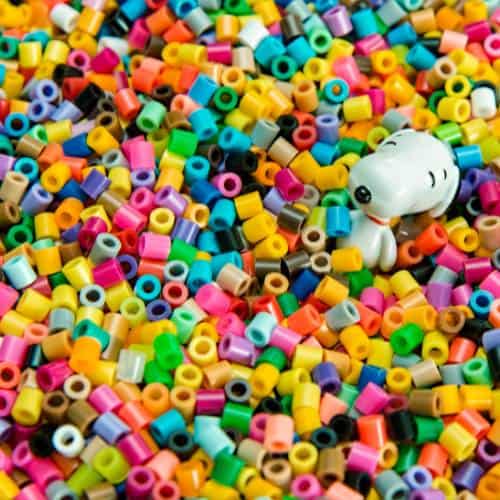
Plastic has many benefits. It affects all aspects of modern life, from daily convenience to sustainability.
- Resource Efficiency: Plastic is a very efficient material. It has a high strength-to-weight ratio, is durable, and lasts long. It all comes at a low lifecycle cost. Plastic generally requires less energy to produce than paper and glass.
- Energy and Fuel Savings: Plastic saves much energy and fuel in many industries. For example, in the auto industry, using lightweight plastics cuts vehicle weight. This improves fuel economy. This not only reduces stops at the gas station but also reduces the use of fossil fuels. Also, plastic packaging’s lightweight cuts fuel costs in transport.
- Environmental Impact: Plastics face criticism for their environmental impact. But, if used and managed well, they can benefit the environment. Plastic packaging can extend food’s shelf life. This cuts food waste. Also, plastic needs less water and energy to produce than many alternatives. It is less polluting to make, too.
- Plastics are durable and versatile. They suit many uses, from medical tools and car parts to construction and packaging. This durability allows for long-term use of plastics. It reduces waste by cutting the need for frequent replacements.
- Recyclability and Reusability: Recycling plastics can save resources and energy. Recycling a ton of plastic can save thousands of kilowatt-hours of energy. You can melt plastics and remold them many times. This reduces the need to create new materials and supports a circular economy.
- Safety and Hygiene: In medicine, plastics have improved hygiene and safety. They allow for the making of disposable, sterile medical tools. This reduces infection risks and enhances patient care. Plastics such as airbags and bumpers also contribute to safety in automobile design.
- Cost-Effectiveness: Plastics are often cheaper than many alternatives. This makes plastic products more accessible to many consumers. This affordability extends to various fields, including technology, healthcare, and construction.
Frequently Asked Questions About Plastic
What is plastic and what is it made from?
Plastic is a broad category of synthetic or semi-synthetic materials primarily composed of polymers—large molecules made of many repeating subunits. Traditionally, plastics are derived from fossil fuels such as natural gas and petroleum. However, modern advances have also created plastics from renewable resources like corn and cotton. Plastics are valued for being adaptable, lightweight, durable, flexible, and inexpensive.
Who discovered the first artificial plastic?
Alexander Parkes created the first artificial plastic, called Parkesine, which was made from organic cellulose. He publicly demonstrated it at the 1862 International Exhibition in London.
How is plastic manufactured?
Plastic production involves several key steps: (1) Material preparation — refining petrochemicals like ethylene and propylene to remove impurities; (2) Polymerization — using heat and catalysts to link small monomer molecules into long-chain polymers, creating resin; (3) Additives — mixing in colorants, stabilizers, plasticizers, and flame retardants to achieve desired properties; (4) Molding — shaping the plastic through injection molding, blow molding, or thermoforming; (5) Finishing — trimming excess material and adding final touches; and (6) Quality control — inspecting and testing to ensure products meet required standards.
What are the key properties of plastic?
Plastics possess diverse properties including: physical — lightweight, strong and impact-resistant, flexible, transparent (in some types), and excellent thermal and electrical insulation; chemical — resistance to corrosive substances, variable permeability to gases and liquids, and variable flammability (often improved with flame retardants); mechanical — engineerable stiffness and tensile strength, though some types exhibit creep under sustained loads; and manufacturability — ability to be molded into complex shapes, with varying recyclability depending on the type.
What are the most common types of plastic?
The seven most recognized types are: PET (Polyethylene Terephthalate) for beverage bottles and food packaging; HDPE (High-Density Polyethylene) for milk containers and pipes; PVC (Polyvinyl Chloride) for pipes, window frames, and cable insulation; LDPE (Low-Density Polyethylene) for bags and tubing; PP (Polypropylene) for car parts and food containers; PS (Polystyrene) for packaging and disposable tableware; and Other Plastics including polycarbonate, polyurethane, and nylon for specialized applications requiring heat resistance or optical clarity.
What are the main applications of plastic?
Plastics are used across virtually every industry: packaging (bottles, containers, films); construction (pipes, insulation, window frames, flooring); automotive (dashboards, bumpers, seat belts, interior panels); electronics (casings, circuit boards, insulation); medical equipment (syringes, infusion bags, prosthetics); textiles (synthetic fibers for clothing); household goods (kitchen utensils, furniture, sports gear); and food service (cutlery, containers, disposable plates).
What are the benefits of using plastic?
Key benefits include: resource efficiency — high strength-to-weight ratio with low lifecycle cost; energy savings — lightweight plastics in vehicles improve fuel economy, and plastic production generally requires less energy than paper or glass; durability and versatility — suitable for long-term use across diverse applications; recyclability — many plastics can be melted and remolded multiple times, supporting a circular economy; safety and hygiene — enables sterile, disposable medical tools and automotive safety features like airbags; and cost-effectiveness — plastics are often cheaper than alternatives, making products more accessible.
Does plastic have any environmental benefits?
When used and managed properly, plastics can offer environmental advantages. Plastic packaging extends food shelf life, reducing food waste. Plastic production typically requires less water and energy compared to many alternative materials. Additionally, the lightweight nature of plastics reduces transportation fuel costs. Recycling plastic also saves significant energy—recycling a ton of plastic can save thousands of kilowatt-hours compared to producing new material.
What is the difference between injection molding, blow molding, and thermoforming?
These are three primary plastic molding techniques. Injection molding injects molten plastic into a mold cavity where it cools and solidifies—ideal for complex, solid parts. Blow molding uses air pressure to inflate molten plastic into a hollow form, commonly used for bottles and containers. Thermoforming heats plastic sheets until pliable and then molds them over a form, suitable for larger, thinner-walled products like trays and packaging. The choice depends on the plastic type, part complexity, and production volume.
Conclusion
Plastics are vital to modern society. They are durable, versatile, and cheap. No other materials match this. Their use across industries shows their essential role in daily life. They make a positive environmental impact with cautious use. If you want to learn more, please get in touch with us.
Unlike thermoplastics, thermoset materials cure into a permanent network that will not remelt, which is why they dominate composite pultrusion.
Request a B2B Manufacturing Quote – Share your profile, rebar, machine, or die requirements and we will return specifications, lead time, and export pricing. Contact IncomePultrusion for a project quote.

